

Hotel Interior Designers London | A Guide to Hospitality Architecture & Luxury Hotel Design
- Jan 14, 2014
- 5 min read
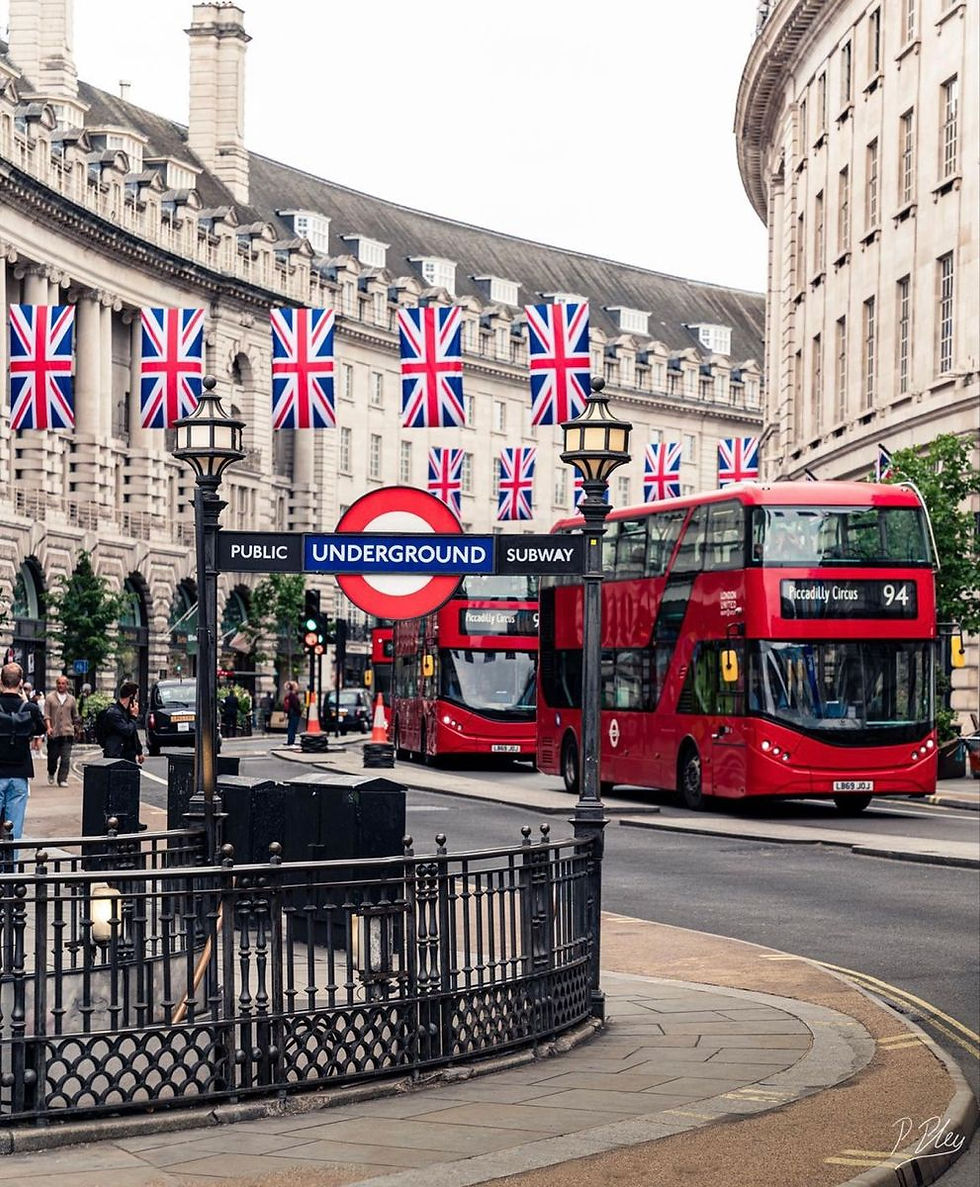
Why London Sets the Global Standard in Hotel Design
London is one of the most competitive and architecturally complex hospitality markets in the world. From heritage-listed townhouses in Mayfair to large-scale commercial conversions in Covent Garden, hotel design in London demands a rare combination of creative excellence, technical expertise, and commercial intelligence.
At Jessica Lightbody Design UK, we deliver interior architecture, hotel design, FF&E procurement, and full project management, transforming properties into high-performing hospitality assets.
What Do Hotel Interior Designers in London Actually Do?
Hotel interior designers in London go far beyond aesthetics. A leading studio provides:
Interior architecture & spatial planning
Concept design & brand storytelling
FF&E specification, sourcing & procurement
Technical drawing packages
On-site coordination & project management
Renovation, refurbishment & conversion expertise
This end-to-end approach ensures design vision translates seamlessly into built reality, something many competitors fail to deliver holistically.
Hospitality Architecture vs Interior Design: Why Integration Wins
In London, separating architecture and interior design is a costly mistake.
Hospitality Architecture: layout, compliance, guest flow, operational efficiency
Interior Design: atmosphere, materials, lighting, experience
The most successful London hotel projects integrate from day one, maximising space, enhancing guest experience, and improving profitability.
London’s Biggest Challenge: Designing Within Heritage & Listed Buildings
A significant portion of London hotels sit within historic buildings. This introduces:
Strict planning permissions
Conservation requirements
Structural limitations
Integration of modern MEP systems
The ability to balance preservation with contemporary luxury is what separates elite designers from standard studios.
Luxury Hotel Design in London: What Defines True High-End Hospitality
Luxury is no longer just about finishes, it’s about experience, emotion, and performance.
Key elements include:
Bespoke joinery and furniture
Layered architectural lighting
Rich, tactile material palettes
Cohesive brand storytelling
Seamless spatial flow
The result is not just a beautiful hotel, but one that commands higher room rates and stronger occupancy.
Boutique Hotels: London’s Most Powerful Hospitality Trend
Boutique hotels dominate London’s design landscape because they:
Create memorable, story-driven experiences
Reflect local culture and architecture
Stand out in a saturated market
Unlike large chains, boutique hotels rely heavily on design differentiation as their primary competitive advantage.
FF&E Procurement in London: Where Design Meets Commercial Reality
Furniture, Fixtures & Equipment (FF&E) is where many hotel projects succeed, or fail.
A professional FF&E strategy ensures:
Cost control and budget alignment
Supplier coordination and logistics
Durability for high-traffic environments
Brand consistency across all spaces
At Jessica Lightbody Design UK, FF&E is integrated with design and delivery, ensuring nothing is lost between concept and installation.
How Hotel Design Directly Impacts Profitability
Well-executed hotel design is a revenue driver, not a cost.
It influences:
Occupancy rates
Average Daily Rate (ADR)
Guest reviews and repeat bookings
Operational efficiency
Long-term asset value
In London’s premium market, design is one of the strongest determinants of commercial success.
Converting Buildings into Hotels in London (Office to Hotel Trends)
With shifting real estate demands, London is seeing a surge in office-to-hotel conversions.
Key considerations include:
Planning and change-of-use approval
Structural adaptation
Fire and building regulations
Space optimisation within existing footprints
These projects require a hybrid skillset of developer, architect, and interior designer.
Space Optimisation | Designing for Maximum Value per Square Metre
London’s high property values demand intelligent, efficient design.
Strategies include:
Multi-functional furniture
Compact luxury layouts
Intelligent circulation planning
Hidden storage and integrated joinery
Every square metre must contribute to both guest experience and revenue generation.
Lighting Design | The Most Underrated Element in Hotel Interiors
Lighting is one of the most powerful tools in hospitality design.
It:
Defines mood and atmosphere
Enhances architectural features
Influences guest perception of luxury
Supports operational functionality
Layered lighting design is essential in creating immersive, high-end hotel environments.
The Psychology of Hotel Design | Why Guests Choose One Hotel Over Another
Design directly affects human behaviour.
Key psychological drivers include:
Comfort and familiarity
Sensory engagement (light, texture, acoustics)
Emotional connection to space
Perceived quality and luxury
Hotels that understand this outperform competitors, not just visually, but commercially.
What Makes a Hotel Design Commercially Successful in London
A successful hotel design must achieve:
Strong brand positioning
Clear target audience alignment
Operational efficiency
Memorable guest experience
Long-term return on investment
Design without strategy is decoration. Strategy-led design drives profit.
How Often Should Hotels Be Refurbished in London?
To remain competitive:
Soft refurbishments: every 3–5 years
Full refurbishments: every 7–10 years
In London’s luxury sector, refresh cycles are often shorter to maintain market relevance.
What to Look for in a London Hotel Interior Design Studio
Choosing the right studio is critical. Look for:
Proven hospitality experience
Strong London-based project knowledge
Full-service capability (design + delivery)
Commercial understanding
Ability to manage complex refurbishments and conversions
Studios that only design, but don’t deliver, often create risk for clients.
Why Jessica Lightbody Design UK Is Positioned Differently
Unlike many London design studios, Jessica Lightbody Design UK offers:
19+ years of industry expertise
Integrated interior architecture + design + FF&E
Project management from concept to completion
Experience across the luxury residential and hospitality sectors
A commercial, developer-minded approach
This ensures every project is not only beautifully designed, but also financially successful and deliverable.
The Future of Hotel Design in London
The next generation of London hotels will focus on:
Experience-led interiors
Sustainability and wellness
Smart technology integration
Flexible, multi-use spaces
Stronger narrative-driven design
Hotels are no longer just places to stay; they are destinations in themselves.
Why Design Is the Most Powerful Asset in London Hospitality
In a city as competitive as London, hotel design is no longer optional; it is a strategic necessity.
The most successful hotels are those that integrate:
Architecture
Interior design
Branding
Commercial strategy
At Jessica Lightbody Design UK, we bring all of these elements together to create exceptional hospitality environments that perform as well as they look.
Q: What do hotel interior designers in London charge?
A: Typically 8%–15% of the total fit-out budget, or 6%–10% for design-only services, depending on scope and involvement.
Q: How long does a hotel project take in London?
A: From 3 months (design) to 1–3+ years for full refurbishments or conversions.
Q: Can design increase hotel revenue?
A: Yes, design directly impacts ADR, occupancy, and guest satisfaction.
Q: What is the biggest mistake in hotel design?
A: Separating design from commercial strategy and delivery.
Q. What do hotel interior designers in London do?
A. Hotel interior designers in London provide interior architecture, concept design, FF&E procurement, and full project management, delivering hotels from concept to completion while maximising guest experience and profitability.
Jessica Lightbody, Hotel Interior Designers London, Hospitality Architecture and Design UK, Hotel Design UK, Commercial interior designer, Hospitality interior design, Hotel Interior Designers UK, Boutique hotel designers, Hotel Renovation UK, Hotel Interior Designers London
