

Iconic Historic Architects Behind London’s Legacy Hotels | Hotel Interior Designers London
Updated: Apr 30
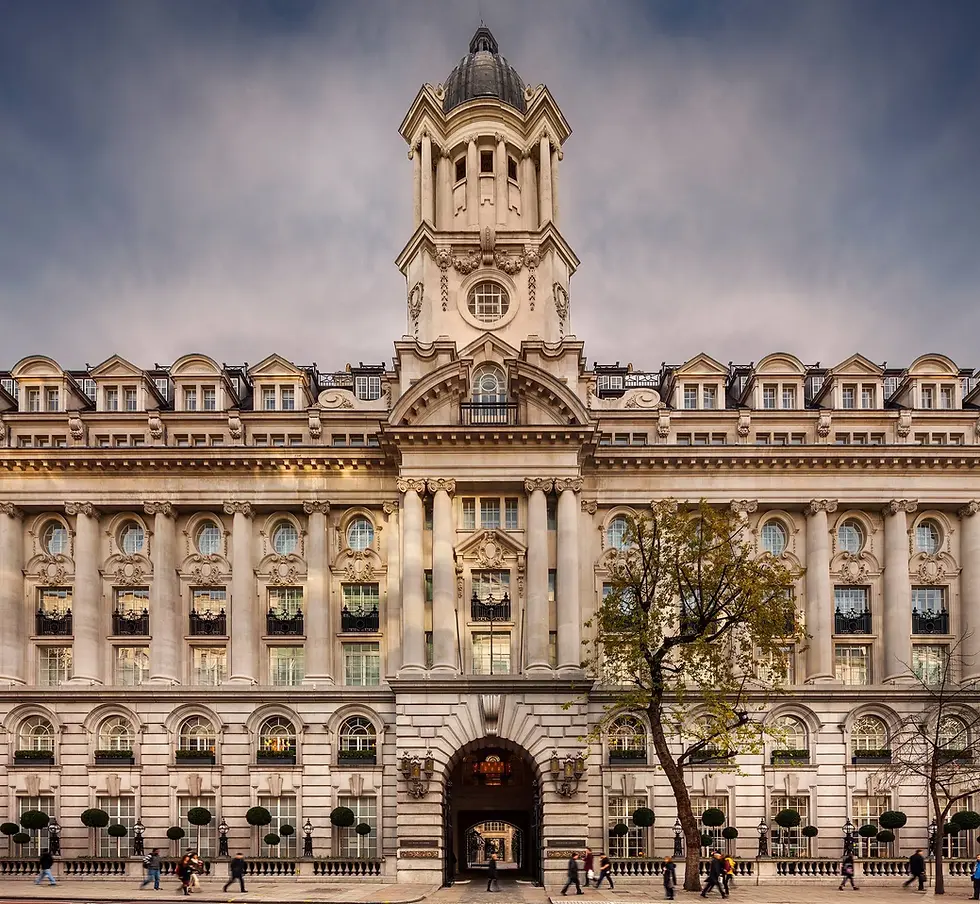
London’s hospitality landscape is one of the most architecturally rich in the world. Many of its most prestigious hotels are not newly built statements, but carefully adapted historic buildings designed by some of the most influential architects in British history.
For Hotel Interior Designers London, these buildings represent far more than heritage; they are frameworks for storytelling, adaptive reuse, and commercially successful luxury hospitality design. From Victorian Gothic landmarks to Edwardian grandeur and early commercial architecture, these legacy structures continue to shape how luxury hotels are designed, experienced, and reimagined today. Below are 10 iconic historic architects whose work continues to define London’s hotel landscape.
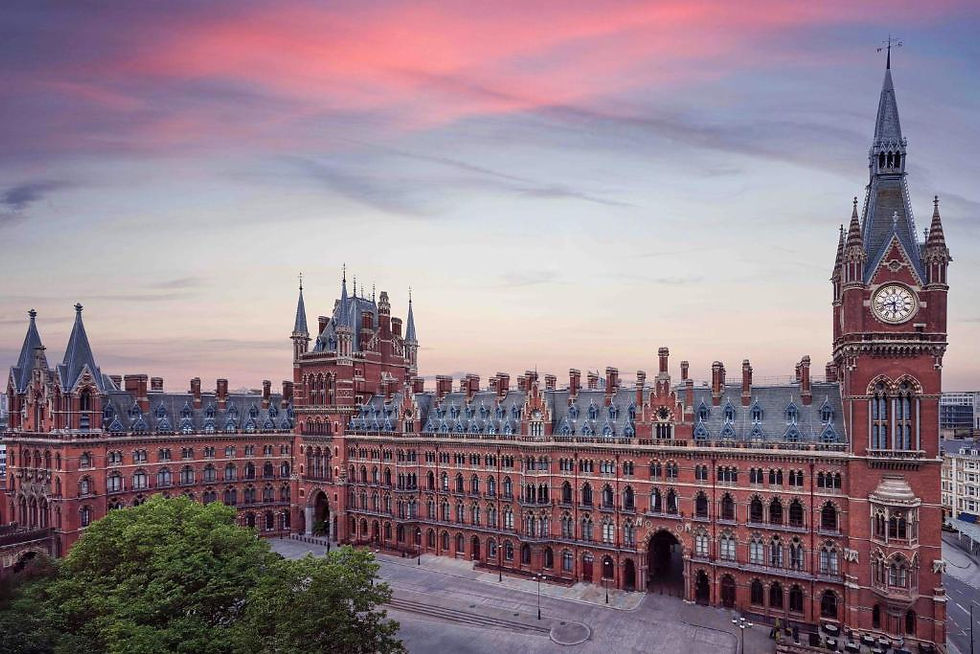
1. George Gilbert Scott – St Pancras Renaissance Hotel
One of the most recognisable hotel buildings in the world, the former Midland Grand Hotel at St Pancras is a defining example of Victorian Gothic architecture. Scott’s design is characterised by dramatic verticality, ornate detailing, and theatrical spatial sequences. After years of neglect, it was masterfully restored and reopened as the St Pancras Renaissance Hotel, demonstrating how historic architecture can be reactivated for modern luxury hospitality. For Hotel Interior Designers London, this project is a benchmark in restoration-led hotel design, where preservation and contemporary luxury coexist seamlessly.
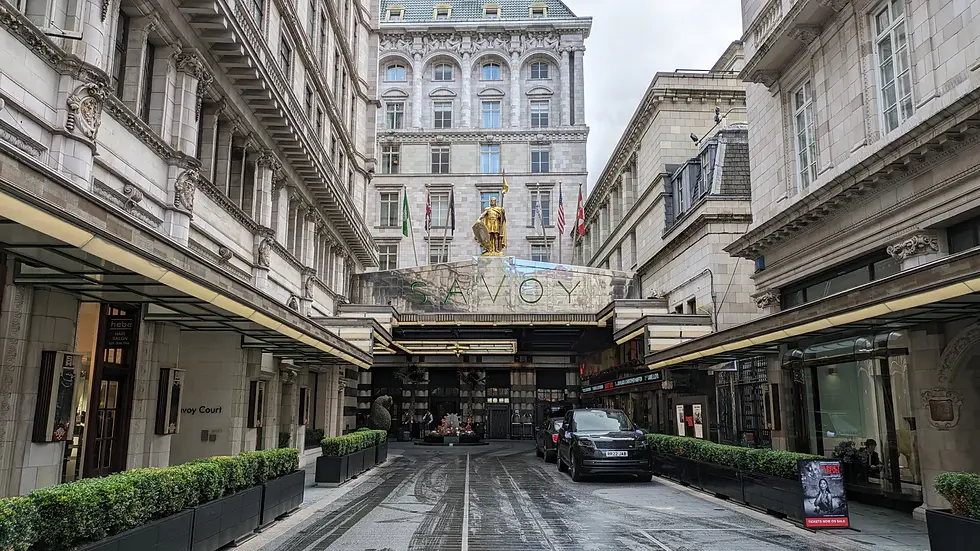
2. Thomas Edward Collcutt – The Savoy Hotel
Collcutt’s original design for The Savoy introduced a new era of luxury hospitality in London. It was one of the first hotels in the city to incorporate electric lighting and en-suite bathrooms.
The Savoy remains a symbol of timeless hospitality design, where architecture and operational innovation meet. For today’s Hotel Interior Designers in London, it represents the importance of forward-thinking design rooted in enduring elegance.
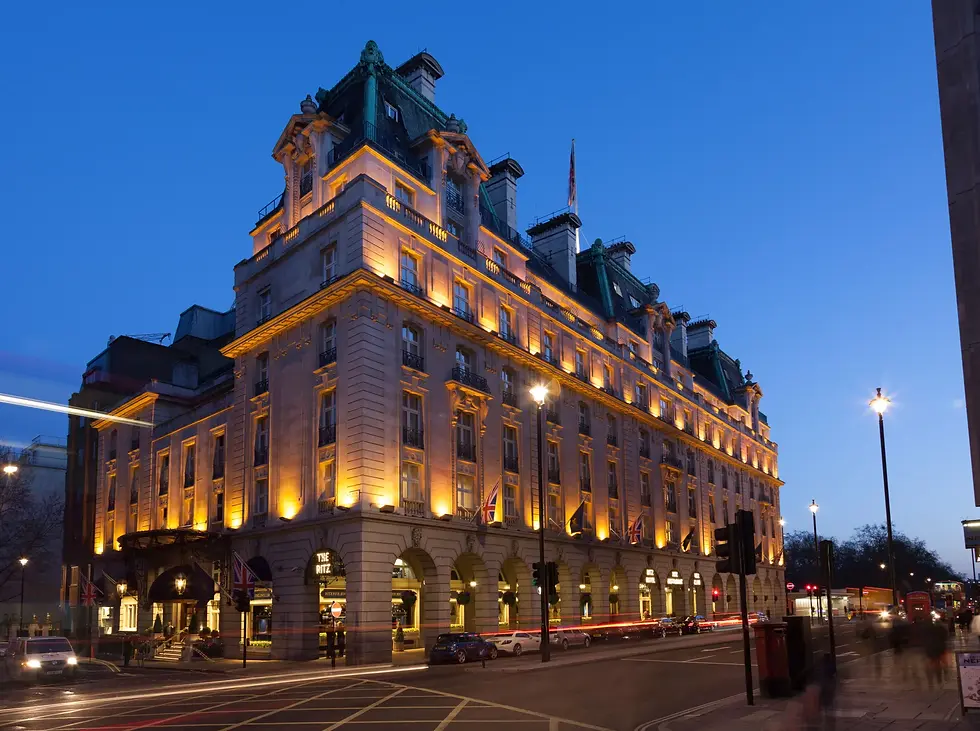
3. Charles Mewès & Arthur Davis – The Ritz London
The Ritz is arguably one of the most iconic hotels in the world. Mewès and Davis delivered a design rooted in French neoclassical influence, introducing a level of refined opulence that set global standards. Its grand proportions, symmetry, and layered detailing continue to influence luxury hospitality interiors today. For Hotel Interior Designers London, The Ritz is a masterclass in brand-driven spatial design.
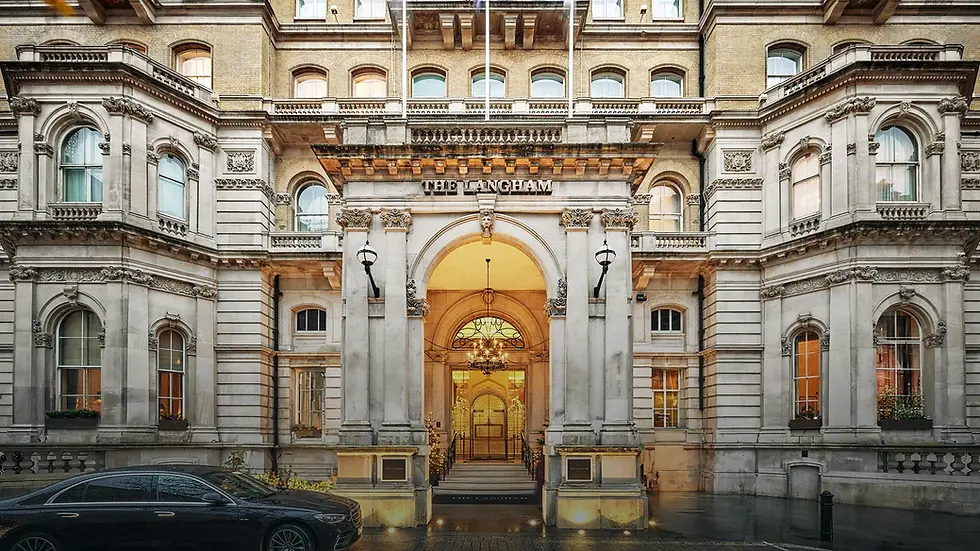
4. John Giles & Murray – The Langham London
Opened in 1865, The Langham is often credited as London’s first “grand hotel.” Giles and Murray designed it with international travellers in mind, introducing large-scale public spaces, innovative planning, and a new level of hospitality comfort. Its legacy continues to inform modern hotel spatial planning, particularly for luxury urban developments.
5. Sir Edwin Lutyens – The Ned
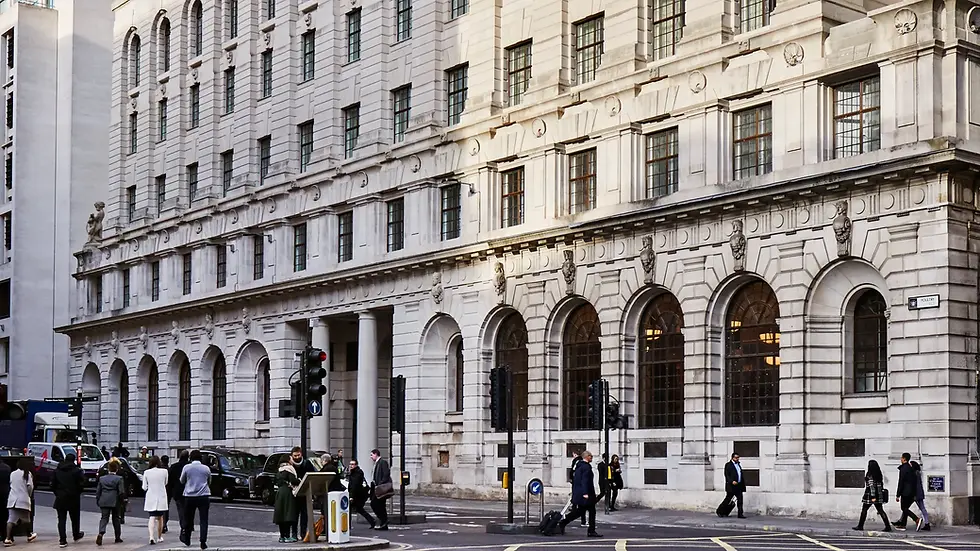
Originally designed as the Midland Bank headquarters, Lutyens’ monumental architecture has been transformed into The Ned, one of London’s most successful adaptive reuse hotels.
This project demonstrates how strong architectural bones can be reinterpreted into layered hospitality environments featuring restaurants, members’ spaces, and hotel rooms. For Hotel Interior Designers London, it is a leading example of how commercial architecture can be reborn as experiential luxury hospitality.
6. William Curtis Green – The Dorchester
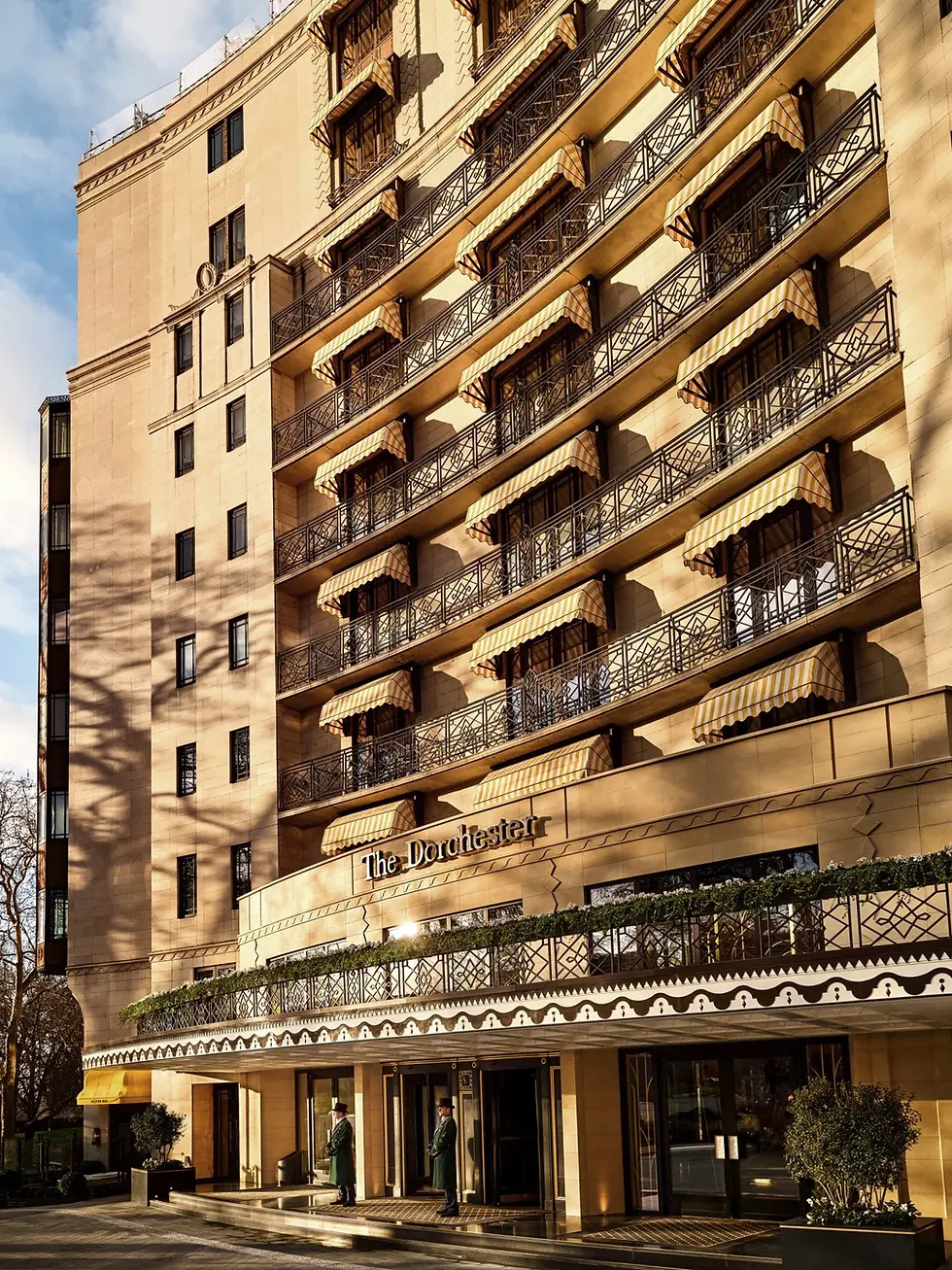
The Dorchester’s architectural evolution reflects Curtis Green’s contribution to its Art Deco identity and refined urban presence in Mayfair. The building balances elegance with functional hospitality design, maintaining its status as one of London’s most prestigious hotels. Its enduring success highlights the importance of architectural continuity in luxury hotel branding.
7. Sir Aston Webb – Influencing London’s Hospitality Districts
While not a hotel architect directly, Webb’s civic and institutional buildings helped define the architectural tone of areas such as Westminster and surrounding luxury districts.
His influence contributes to the contextual framework in which many of London’s high-end hotels operate today. For Hotel Interior Designers London, understanding this urban architectural language is key to contextual hotel design.

8. Henry Tanner – Adaptive Civic Architecture
Henry Tanner’s civic and commercial buildings have become part of London’s broader adaptive reuse narrative. Many of these structures now function as boutique hospitality spaces, where original architectural detailing is preserved and integrated into contemporary hotel design.
This approach aligns closely with modern luxury hospitality expectations.
9. C. W. Stephens – Edwardian Commercial Foundations
Stephens’ Edwardian commercial buildings form part of the structural fabric that has enabled London’s hospitality evolution. His work represents the transition between civic architecture and modern commercial use, many of which have been repurposed into hospitality environments.
For London Hotel Interior Designers, these buildings present opportunities for layered, character-driven design.
10. Frank Verity – Entertainment to Hospitality Evolution
Frank Verity’s theatre and entertainment buildings played a key role in shaping London’s leisure architecture. His work introduced spatial drama, audience flow, and experiential design principles that translate directly into modern hotel lounges, bars, and social spaces.
This influence is still visible in today’s lifestyle hotel concepts across London.
The Role of Adaptive Reuse in London Hotel Design
London’s greatest hospitality advantage is its architectural inheritance. For modern Hotel Interior Designers in London, this creates both opportunity and responsibility.
Adaptive reuse requires:
Respect for historic architectural integrity
Intelligent spatial reconfiguration
Integration of modern luxury standards
Compliance with planning and heritage constraints
A strong narrative linking past and present
The most successful hotels are not simply renovated; they are reinterpreted.
Iconic Historic Architects Behind London’s Legacy Hotels
A Guide by Hotel Interior Designers in London
What defines London’s historic luxury hotels?
London’s most iconic hotels are defined by grand architectural heritage, layered interior design, and continuous reinvention. Designed by leading Victorian and Edwardian architects, these buildings combine ornate façades, structural innovation, and timeless interiors, forming the foundation of modern luxury hospitality design.
The Architects Who Shaped London’s Hotel Legacy
1. The Visionaries Behind Victorian Grandeur
The rise of London’s luxury hotels in the 19th century was driven by architects who understood both engineering ambition and social theatre.
Large-scale façades inspired by Italian Renaissance palazzi
Structural steel frameworks hidden behind classical detailing
Interiors designed for procession, arrival, and spectacle
Featured Snippet Insight: Victorian hotel architects defined luxury through scale, symmetry, and ornamentation, principles still used by hotel interior designers today.
2. Edwardian Elegance and the Rise of Refinement
As tastes evolved, architects shifted towards lighter, more refined interiors, moving away from heavy Victorian detailing.
Key characteristics:
Increased natural light and spatial flow
Softer decorative schemes
Early integration of guest comfort as a design priority
This period marked the transition from impressive architecture to experiential design, a core principle in modern hospitality interiors.
3. The Art Deco Influence on London Hotels
The early 20th century introduced Art Deco, bringing a new level of sophistication and modernity.
Design features included:
Geometric patterns and bold symmetry
Luxurious materials such as marble, brass, and lacquer
A focus on glamour, movement, and modern living
Featured Snippet Insight: Art Deco transformed London hotels by introducing modern luxury aesthetics that balanced opulence with simplicity.
How Historic Architecture Influences Hotel Interior Designers in London Today
Blending Heritage with Contemporary Luxury
Modern hotel interior designers in London don’t replace history; they reinterpret it.
This involves:
Preserving original architectural features
Integrating modern services seamlessly
Enhancing spatial flow without compromising structure
Adaptive Reuse and Spatial Reconfiguration
Historic hotels often require:
Structural adaptation for modern standards
Replanning layouts for contemporary guest expectations
Careful compliance with heritage and conservation regulations
Hotel interior designers in London work with historic buildings by preserving original features while integrating modern luxury, technology, and spatial functionality.
Why London’s Historic Hotels Still Define Global Luxury
London’s legacy hotels remain globally influential because they offer:
Authenticity – rooted in architectural history
Timelessness – design that transcends trends
Narrative – every space tells a story
This combination is something new-build hotels often struggle to replicate.
The Role of Interior Architecture in Heritage Hotels
Interior architecture is the bridge between past and present.
It focuses on:
Structural planning and circulation
Integration of services (lighting, HVAC, acoustics)
Spatial hierarchy and guest experience
Without strong interior architecture, even the most beautiful historic building cannot function as a modern luxury hotel.
What Sets Leading Hotel Interior Designers in London Apart
Top-tier designers working in London’s historic hotels understand three critical principles:
1. Respect the Building
Every intervention must honour the original architecture.
2. Design for Modern Living
Luxury today means comfort, technology, and intuitive design.
3. Create Emotional Impact
The most successful hotels deliver atmosphere, memory, and identity.
The Enduring Power of London’s Hotel Heritage
London’s historic hotels are not just buildings, they are living case studies in design evolution.
From Victorian grandeur to Art Deco refinement, they continue to shape how hotel interior designers approach:
Space
Experience
Luxury
For any designer or client, they remain the ultimate reference point for timeless hospitality design.
FAQ (Featured Snippet Optimised)
Who designed London’s historic luxury hotels?
London’s historic hotels were designed by leading Victorian and Edwardian architects, incorporating styles such as Italianate, Beaux-Arts, and Art Deco, which continue to influence modern hotel design.
Why are historic hotels important in London?
Historic hotels define the foundation of luxury hospitality in London, combining architectural heritage with timeless interiors that influence global hotel design standards.
How do interior designers work with historic hotels?
Interior designers preserve original features while introducing modern layouts, services, and luxury finishes to ensure the building meets contemporary expectations.
Jessica Lightbody Design UK & Lightbody Developments Approach
At Jessica Lightbody Design UK, we specialise in hospitality architecture and interior design that bridges historic context with contemporary luxury.
Working alongside Lightbody Developments, our approach integrates:
Design vision and architectural strategy
Planning and heritage sensitivity
Interior architecture and guest experience design
Development and delivery execution
This ensures every project maintains design integrity from concept through to completion, particularly in complex heritage and urban hotel environments.
London’s hotel landscape is built on architectural legacy. From Victorian landmarks to Edwardian commercial structures, the city offers a rare depth of historic fabric that continues to shape global hospitality design. For Hotel Interior Designers in London, these buildings are not constraints; they are the foundation of innovation, storytelling, and luxury experience creation. The future of hotel design in London will continue to be defined by one principle: the intelligent transformation of history into living hospitality.
