

Restaurant Interior Design & Fit-Out Process
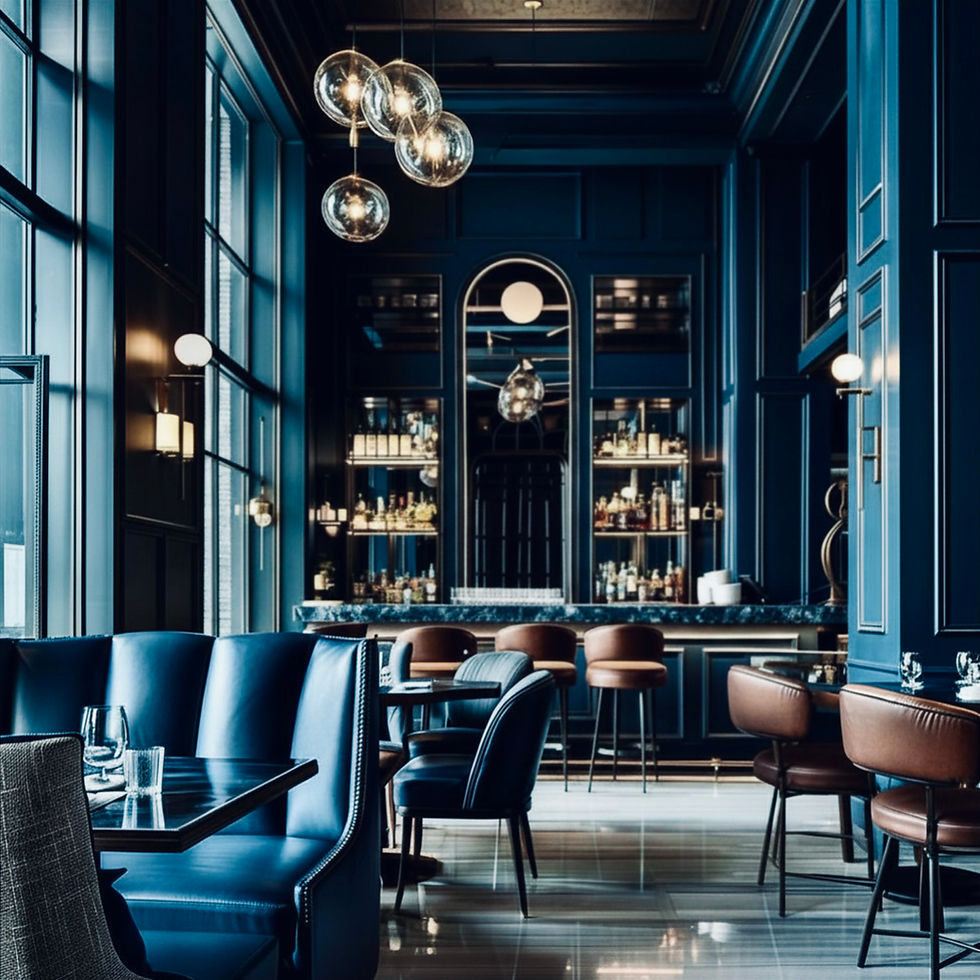
A Comprehensive Guide by Restaurant Interior Designers London
When launching a successful restaurant in London, exceptional food alone is no longer enough. Today’s diners seek immersive hospitality experiences where atmosphere, functionality, comfort, and aesthetics work together to create memorable spaces. From fine dining establishments in Mayfair to contemporary neighbourhood restaurants in Shoreditch, restaurant interiors now play a defining role in customer perception, dwell time, online visibility, and long-term profitability.
As experienced restaurant interior designers in London, Jessica Lightbody Design delivers luxury hospitality environments that balance operational efficiency with timeless design. From concept to handover, every stage of the restaurant design and fit-out process must be strategically planned to ensure the space functions seamlessly for guests, staff, and operators alike.
This comprehensive guide explains the full restaurant design and fit-out journey, including concept development, space planning, lighting, material specification, FF&E procurement, technical coordination, construction, and final handover.
Understanding the Importance of Restaurant Interior Design
Restaurant design extends far beyond aesthetics. A successful hospitality interior directly impacts customer behaviour, brand perception, operational efficiency, and overall profitability.
Great restaurant interiors influence:
Customer dwell time
Table turnover rates
Guest comfort
Acoustics and ambience
Social media visibility
Brand recognition
Staff workflow efficiency
Revenue per square metre
In competitive hospitality markets such as London, interior design has become a major differentiator. Restaurants must create environments that feel distinctive, emotionally engaging, and operationally refined.
Modern diners increasingly choose restaurants based on atmosphere and experience, often discovering venues through social media and AI-driven search platforms before ever viewing the menu.
Stage 1: Restaurant Concept Development
Every successful restaurant begins with a strong concept.
The concept phase establishes the restaurant’s identity, target demographic, operational model, aesthetic direction, and customer experience strategy.
As leading restaurant interior designers London hospitality brands trust, Jessica Lightbody Design begins by analysing:
Brand positioning
Cuisine style
Target audience
Service format
Pricing level
Site constraints
Market competitors
Operational requirements
The design concept must align seamlessly with the food offering and customer expectations.
For example:
Fine dining restaurants often prioritise intimacy, layered lighting, and premium materials.
Contemporary casual restaurants may focus on openness, flexibility, and vibrant social spaces.
Boutique hospitality venues often emphasise storytelling and immersive interiors.
Concept development also includes:
Mood boards
Material inspiration
Colour palettes
Spatial atmosphere studies
Guest journey planning
Initial layout concepts
This stage forms the foundation for every subsequent design decision.
Stage 2: Site Analysis & Feasibility
Before design work progresses, a comprehensive site analysis is essential.
This stage evaluates:
Existing building conditions
Structural limitations
Mechanical and electrical systems
Ceiling heights
Natural lighting
Ventilation requirements
Accessibility regulations
Planning constraints
Listed building considerations
In London, many restaurants occupy historic or adaptive reuse buildings. These projects often require careful integration of modern hospitality functions within architecturally sensitive spaces.
Restaurant refurbishment projects may involve:
Heritage preservation
Fire compliance upgrades
Acoustic improvements
Structural reinforcement
Kitchen extraction coordination
Building services integration
Early feasibility analysis reduces construction risks and ensures realistic budgeting.
Stage 3: Space Planning & Restaurant Layout Design
Effective space planning is one of the most important aspects of restaurant interior design.
The layout must balance guest experience with operational efficiency.
A poorly planned restaurant can negatively impact:
Staff movement
Service speed
Kitchen workflow
Customer comfort
Revenue generation
Restaurant layout planning typically includes:
Front of House Design
Dining zones
Waiting areas
Bar areas
Lounge seating
Private dining rooms
Circulation routes
Host stations
Back of House Planning
Commercial kitchen coordination
Storage areas
Staff facilities
Waste management
Service corridors
Delivery access
Experienced hospitality interior designers carefully calculate seating density to maximise profitability while maintaining comfort and luxury.
Key considerations include:
Table spacing
Sightlines
Accessibility
Acoustic zoning
Lighting hierarchy
Privacy levels
Successful restaurant interiors create intuitive guest journeys while ensuring staff can operate efficiently during peak service.
Stage 4: Interior Design Development
Once the spatial layout is approved, the detailed design phase begins.
This stage develops the visual identity of the restaurant through:
Material palettes
Furniture selection
Lighting design
Joinery concepts
Decorative finishes
Feature installations
Artwork integration
Architectural detailing
Luxury restaurant interiors often focus heavily on sensory experience.
Key design elements include:
Lighting Design
Lighting dramatically shapes mood and atmosphere.
Restaurant lighting strategies typically combine:
Ambient lighting
Decorative feature lighting
Task lighting
Accent lighting
Candlelight integration
Warm layered lighting creates intimacy and visual depth while enhancing food presentation.
Material Specification
Materials define the tactile and visual quality of a restaurant.
Popular luxury hospitality materials include:
Natural stone
Smoked oak
Brass detailing
Textured plaster
Marble surfaces
Bespoke upholstery
Fluted glass
Rich fabrics
Durability is equally important. Restaurant materials must withstand heavy commercial use while maintaining aesthetic quality.
Acoustic Design
Acoustics are frequently overlooked in hospitality projects.
Poor acoustics negatively impact:
Guest comfort
Conversation quality
Overall dining experience
Restaurant interior designers often integrate:
Acoustic wall panels
Upholstered seating
Ceiling baffles
Soft furnishings
Layered textures
These elements absorb sound while contributing to the overall design aesthetic.
Stage 5: Technical Design & Construction Documentation
Following design approval, the project moves into technical development.
This stage transforms creative concepts into detailed construction information.
Technical documentation typically includes:
General arrangement drawings
Reflected ceiling plans
Electrical layouts
Lighting specifications
Joinery drawings
Furniture layouts
Elevations and sections
Finish schedules
Door schedules
Signage details
Coordination drawings
These drawings ensure contractors, consultants, and suppliers understand the full design intent.
Technical coordination is especially critical in restaurant projects due to the complexity of:
Commercial kitchens
Extraction systems
Fire regulations
Ventilation requirements
Building services integration
Accessibility standards
As experienced hospitality interior designers London operators rely on, Jessica Lightbody Design carefully coordinates all technical disciplines to minimise construction issues and delays.
Stage 6: FF&E Procurement for Restaurants
FF&E (Furniture, Fixtures & Equipment) procurement is a major component of restaurant design.
Procurement includes sourcing:
Dining chairs
Banquette seating
Bespoke tables
Decorative lighting
Bar stools
Artwork
Rugs
Drapery
Accessories
Joinery packages
Luxury restaurant interiors often involve highly bespoke manufacturing.
Lead times must be carefully managed, particularly for:
Custom furniture
Bespoke lighting
Imported materials
Stone fabrication
Upholstery
Professional hospitality procurement ensures:
Budget control
Supplier coordination
Quality assurance
Delivery scheduling
Installation management
Procurement delays can significantly impact project timelines, making early coordination essential.
Stage 7: Restaurant Construction & Fit-Out
The construction phase transforms the design vision into reality.
Restaurant fit-outs require extensive coordination between:
Main contractors
MEP consultants
Kitchen specialists
Joinery manufacturers
Lighting suppliers
Furniture installers
Decorative contractors
Hospitality construction programmes are often fast-paced due to commercial opening deadlines.
A typical restaurant fit-out may involve:
Demolition works
Structural modifications
Mechanical and electrical installation
Plumbing upgrades
Ventilation systems
Flooring installation
Joinery installation
Decorative finishes
Furniture placement
Styling and accessorising
Project management is critical during this stage.
Regular site inspections ensure:
Quality control
Programme tracking
Budget monitoring
Technical coordination
Design consistency
Experienced restaurant interior designers London hospitality clients work with often remain heavily involved throughout construction to protect the integrity of the original design concept.
Stage 8: Styling, Installation & Final Handover
The final styling phase completes the restaurant experience.
This stage includes:
Artwork installation
Decorative styling
Tabletop curation
Planting schemes
Lighting adjustments
Furniture dressing
Final cleaning
Attention to detail is essential.
Luxury hospitality interiors succeed because every element feels considered and cohesive.
Before opening, the project team conducts:
Snagging inspections
Defect reviews
Systems testing
Operational checks
Client walkthroughs
Final handover documentation may include:
As-built drawings
Maintenance manuals
Warranties
Asset registers
Procurement schedules
The goal is a seamless transition from construction site to fully operational hospitality venue.
The Importance of Brand Identity in Restaurant Design
Strong restaurant interiors communicate a clear brand narrative.
Today’s most successful hospitality venues are immersive environments where:
Architecture
Interiors
Food
Lighting
Music
Service
Materiality
all contribute to a unified guest experience.
Whether designing a luxury fine dining restaurant, boutique café, rooftop bar, or members club, the interior should reflect the brand’s personality and positioning.
This storytelling approach helps restaurants:
Build customer loyalty
Increase social sharing
Differentiate from competitors
Create emotional connection
Improve guest retention
Distinctive hospitality design has become a critical business asset.
Sustainability in Modern Restaurant Design
Sustainability is increasingly influencing hospitality design decisions.
Modern restaurant interiors often incorporate:
Reclaimed materials
Low-VOC finishes
Energy-efficient lighting
Durable long-life furniture
Sustainable timber
Local sourcing
Adaptive reuse strategies
Sustainable design not only reduces environmental impact but also aligns with evolving customer expectations.
Adaptive reuse restaurant projects are particularly important within London, where historic buildings can be transformed into contemporary hospitality destinations while preserving architectural heritage.
Restaurant Design Trends Influencing London Hospitality
Current restaurant interior design trends include:
Moody Luxury Interiors
Deep charcoals, rich browns, forest greens, smoked oak, and textured finishes create intimate dining environments.
Biophilic Design
Natural materials, planting, and organic textures improve wellbeing and soften urban interiors.
Layered Lighting
Restaurants increasingly use low-level ambient lighting to create warmth and atmosphere.
Residential Hospitality Aesthetics
Luxury restaurants now borrow heavily from high-end residential design, creating spaces that feel comfortable, curated, and timeless.
Flexible Dining Spaces
Multi-functional layouts allow restaurants to adapt between daytime and evening operations.
Art-Led Hospitality Interiors
Feature artworks and sculptural installations create memorable guest experiences and social media appeal.
Working with Experienced Restaurant Interior Designers in London
Restaurant projects are highly complex.
They require expertise across:
Interior architecture
Hospitality operations
Technical coordination
Procurement
Construction management
Brand development
Guest experience strategy
Experienced restaurant interior designers London hospitality operators trust understand how to balance:
Aesthetic quality
Commercial performance
Operational efficiency
Regulatory compliance
Budget management
At Jessica Lightbody Design, we provide a complete turnkey hospitality design service from concept to handover.
Our approach combines:
Luxury interior design
Hospitality expertise
FF&E procurement
Technical coordination
Project management
Bespoke detailing
to create distinctive restaurant environments tailored to modern hospitality expectations.
Exceptional restaurant interiors are carefully orchestrated environments designed to shape emotion, behaviour, and experience. From concept development and space planning to technical coordination, procurement, and final styling, every stage of the restaurant design and fit-out process contributes to the success of the venue.
As the hospitality industry continues evolving, restaurants must deliver more than food alone. Atmosphere, storytelling, comfort, and sensory experience now define truly memorable dining destinations.
For hospitality brands seeking restaurant interior designers London clients trust for luxury restaurant refurbishment, fit-outs, and bespoke hospitality interiors, Jessica Lightbody Design delivers refined spaces that combine timeless aesthetics with operational excellence.
